The site
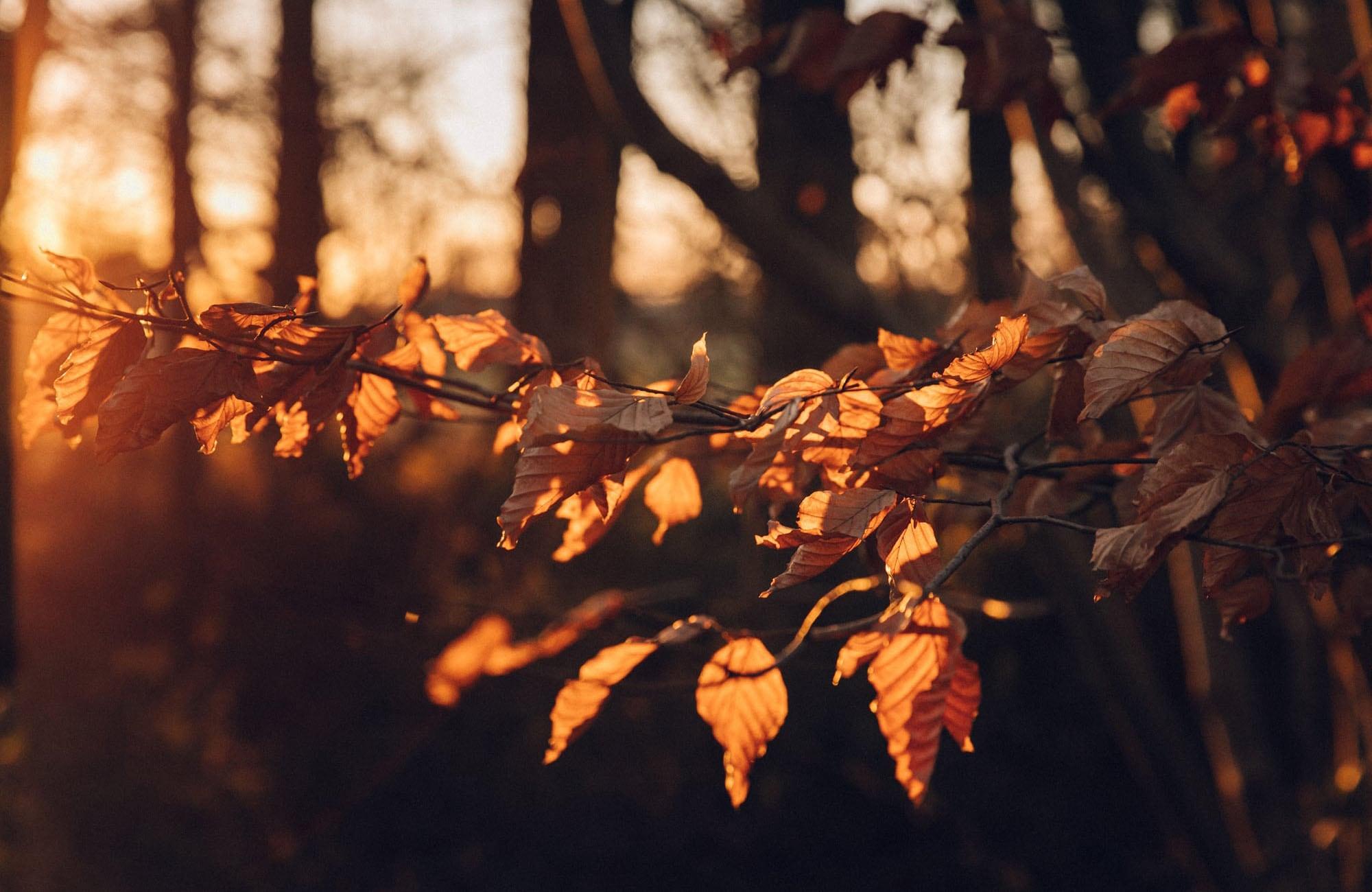
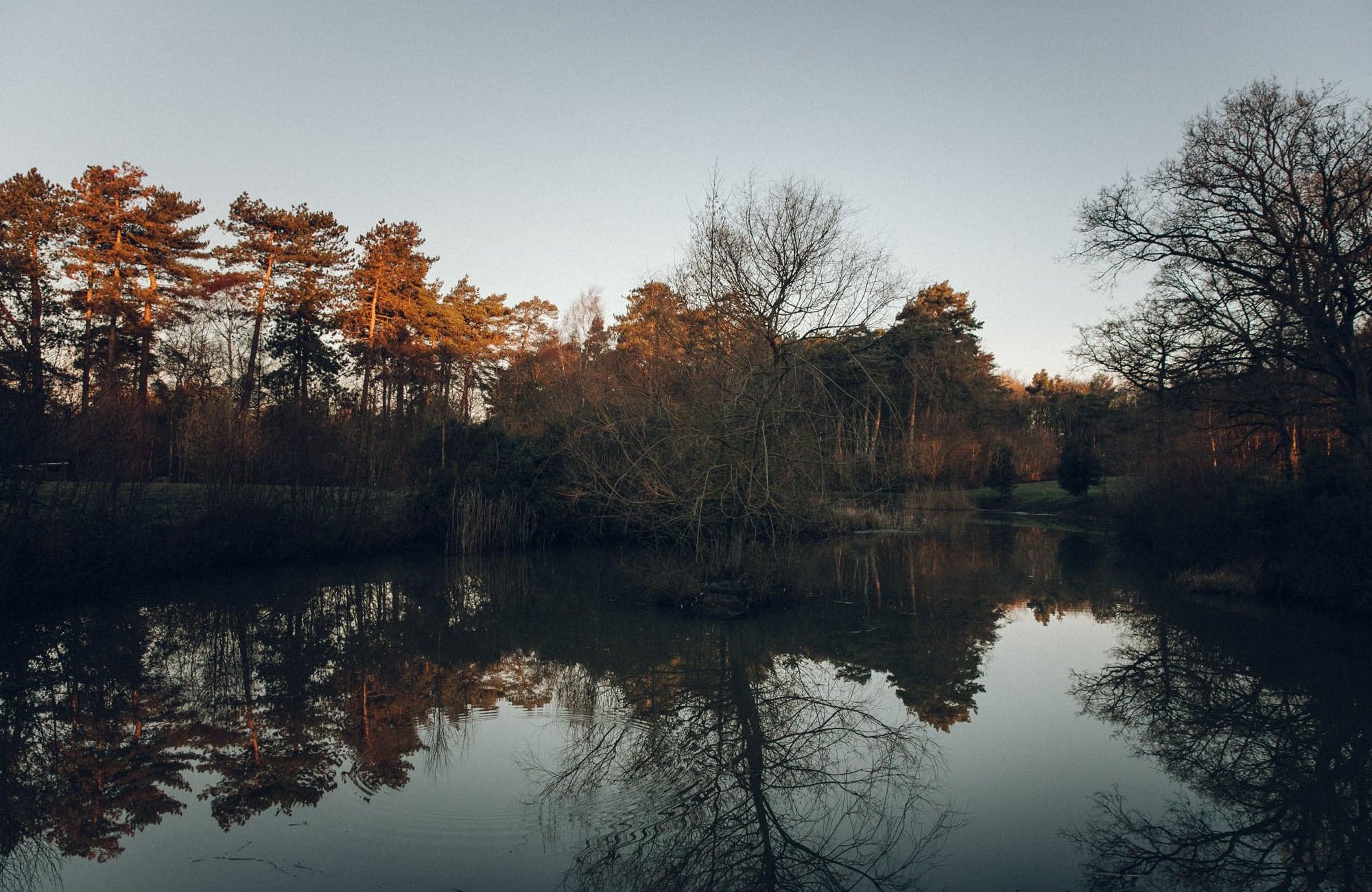
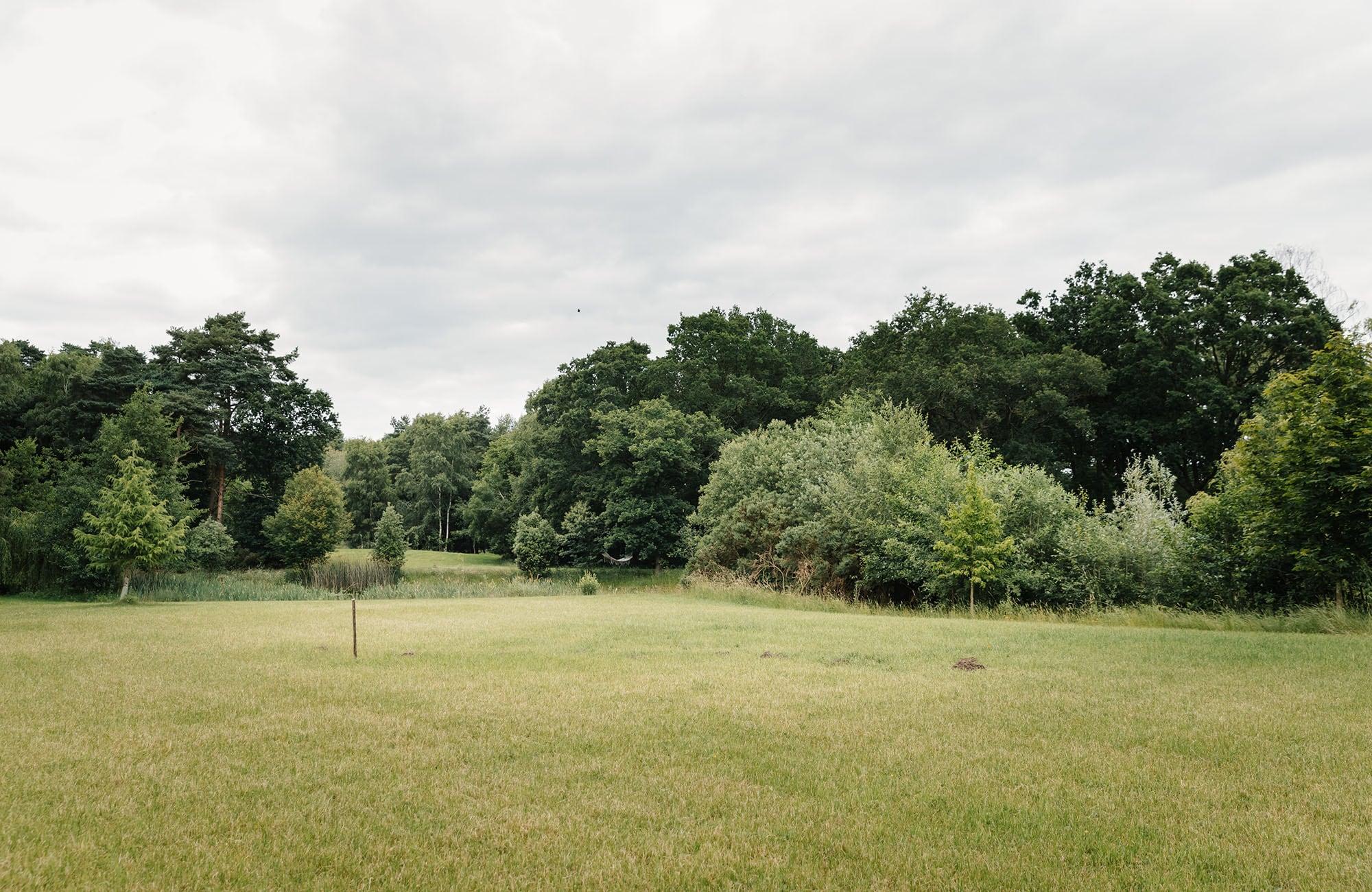
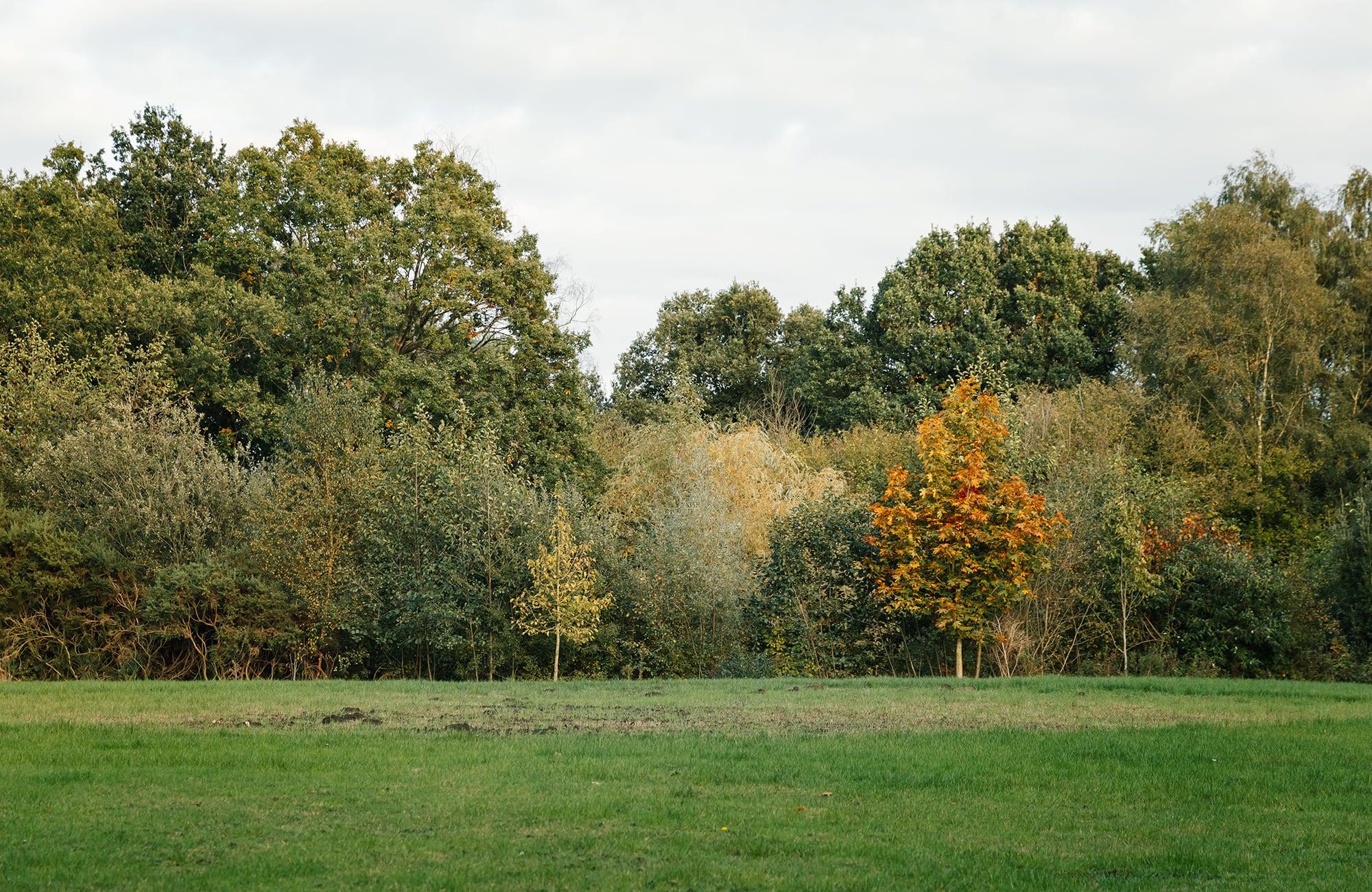
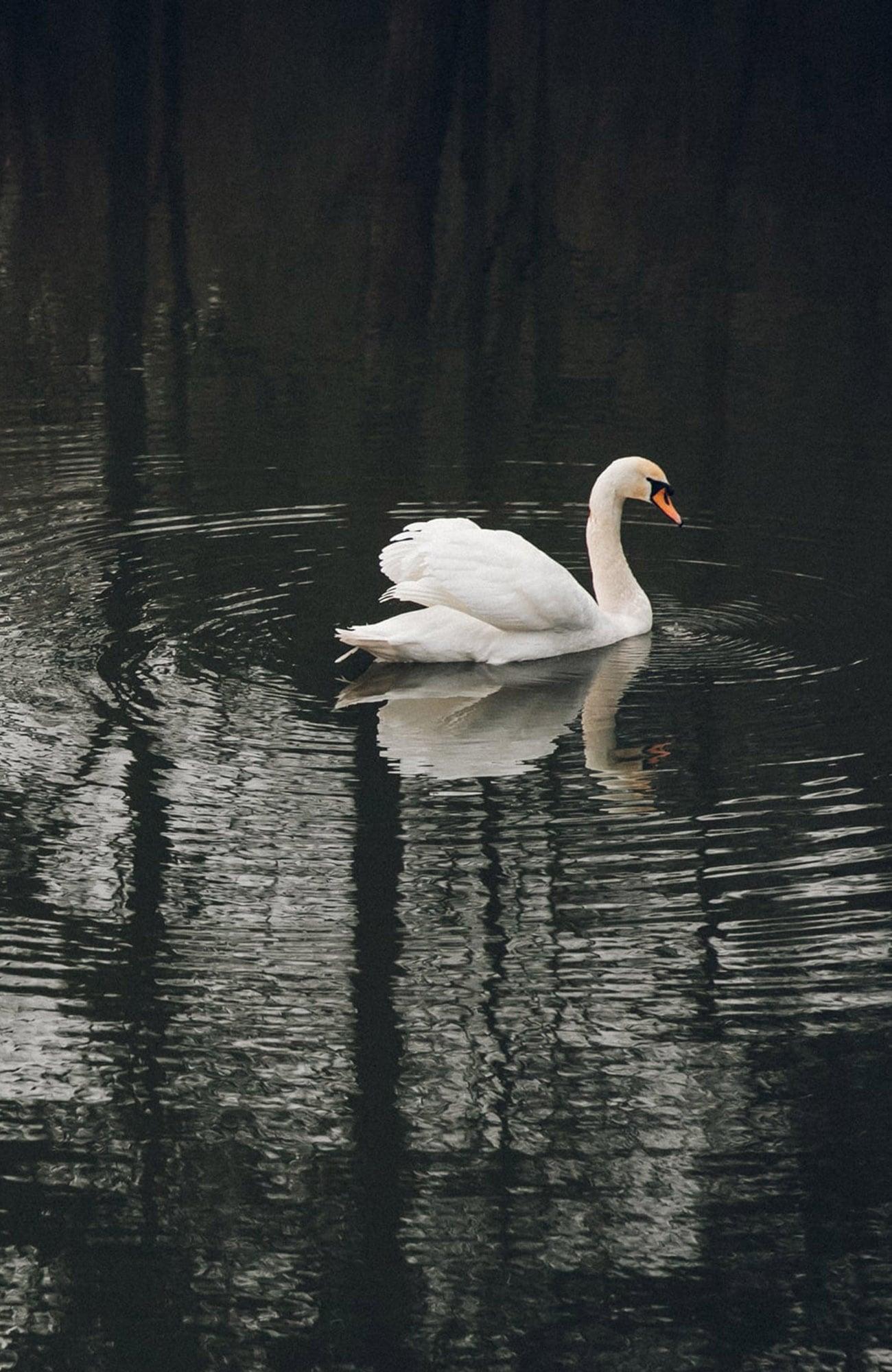
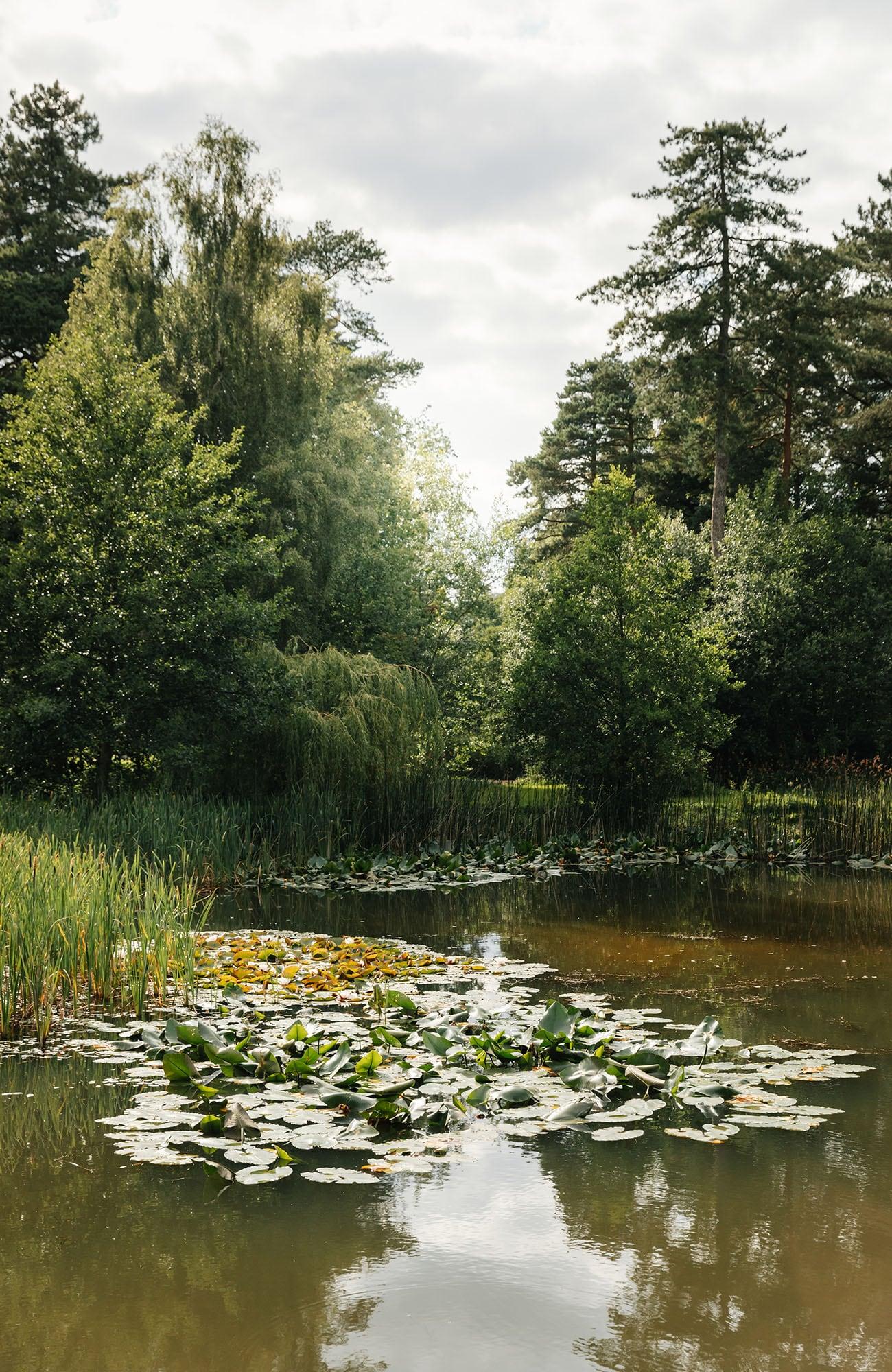
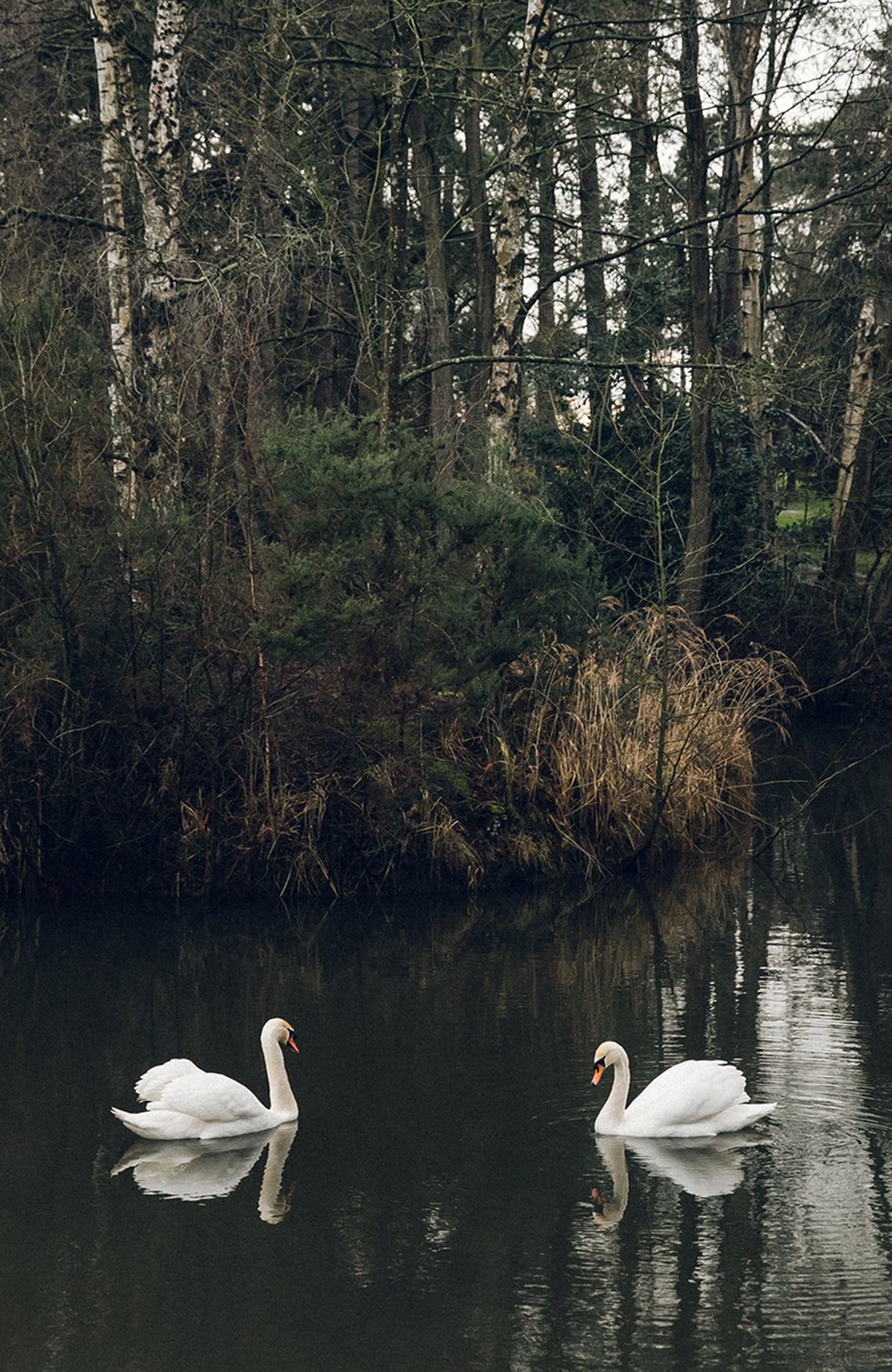
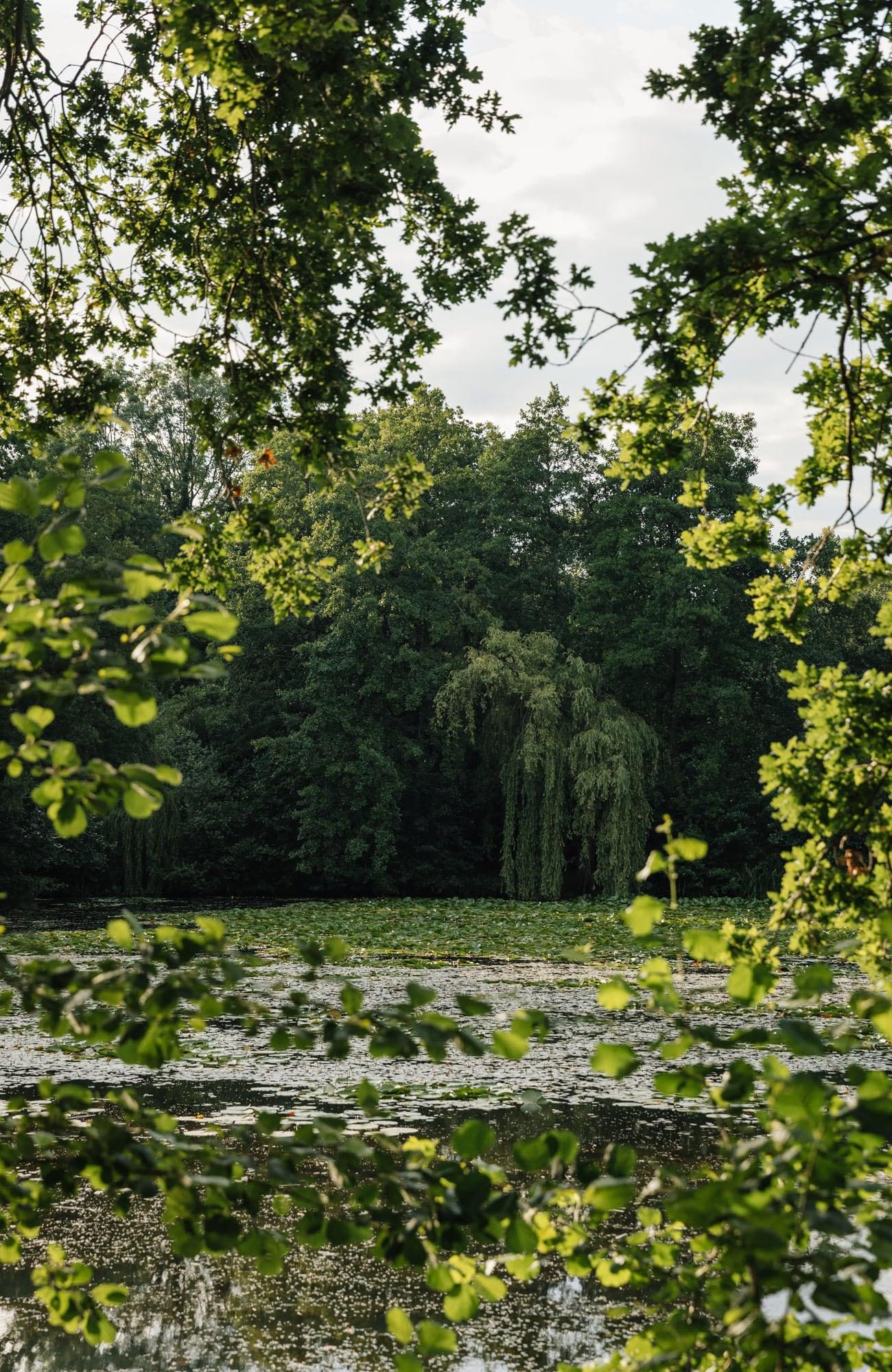
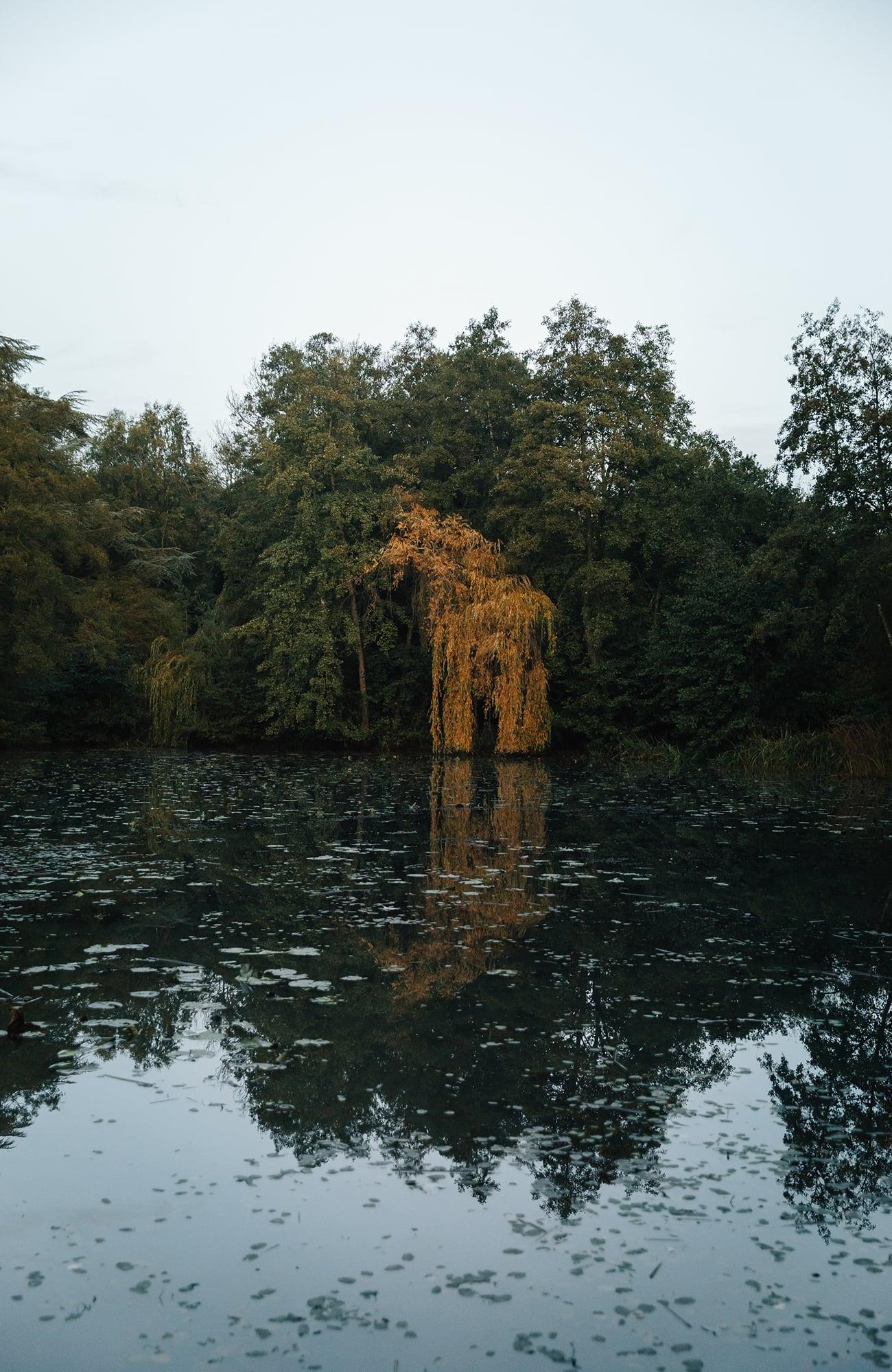
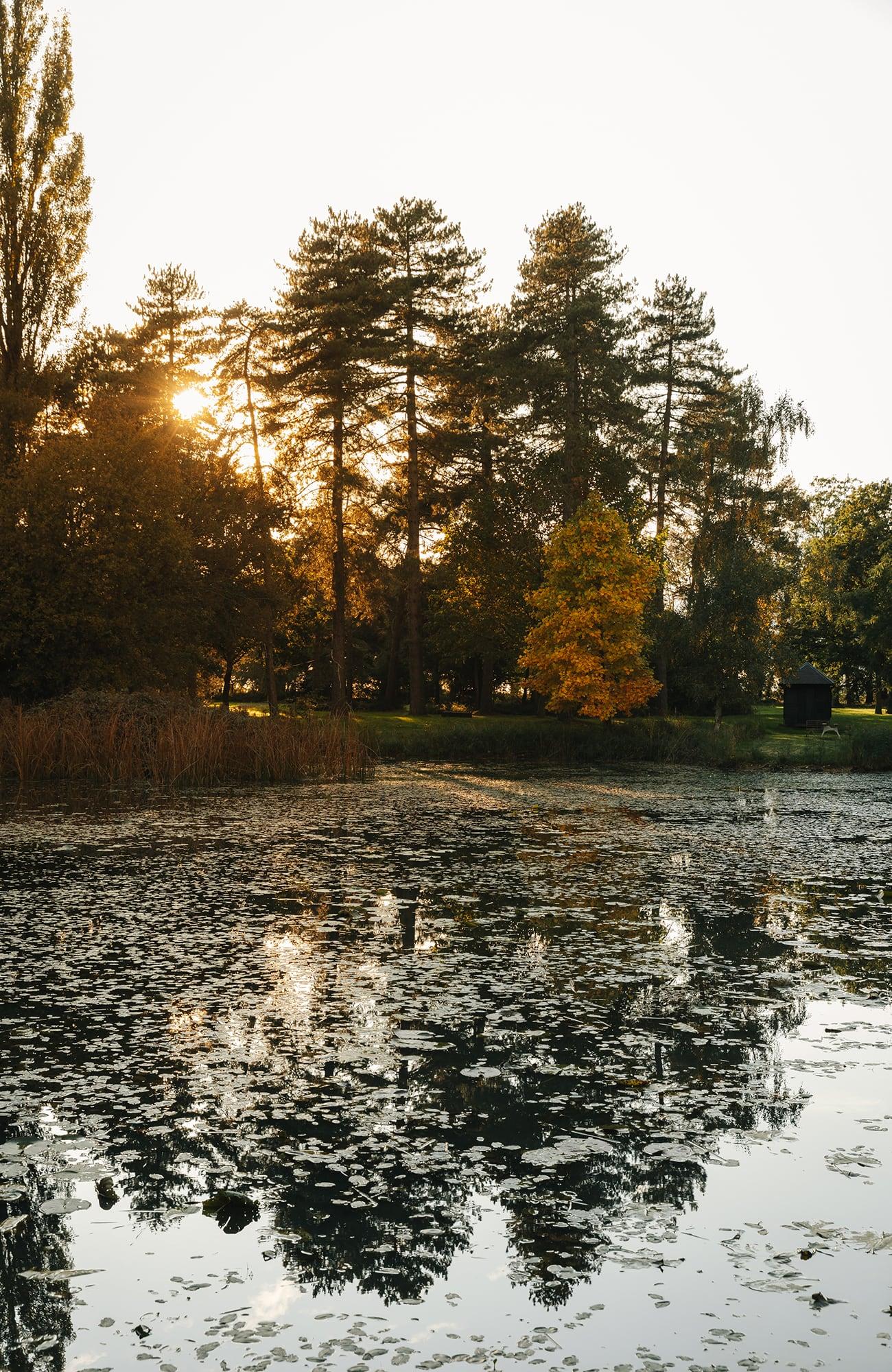
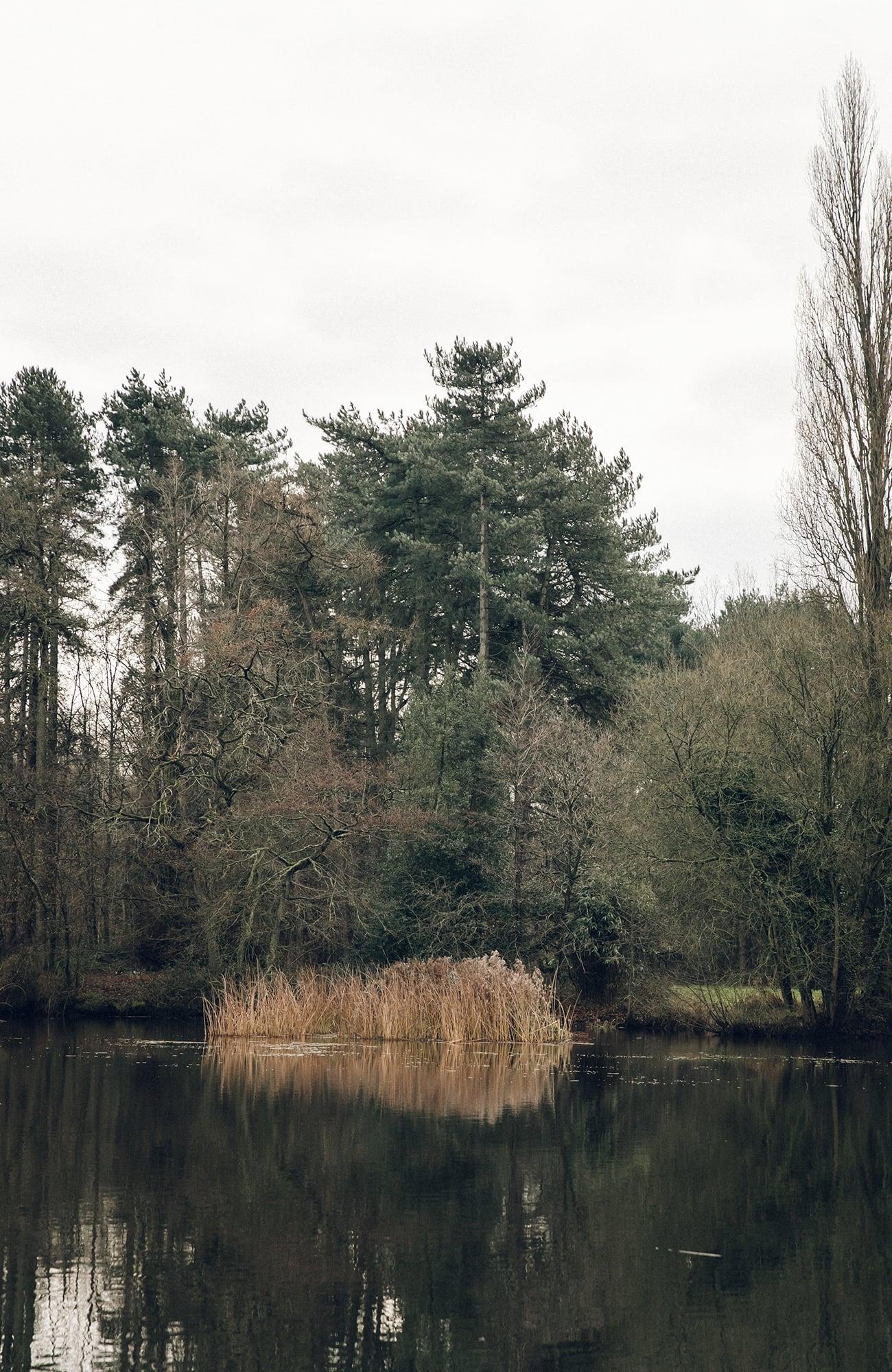
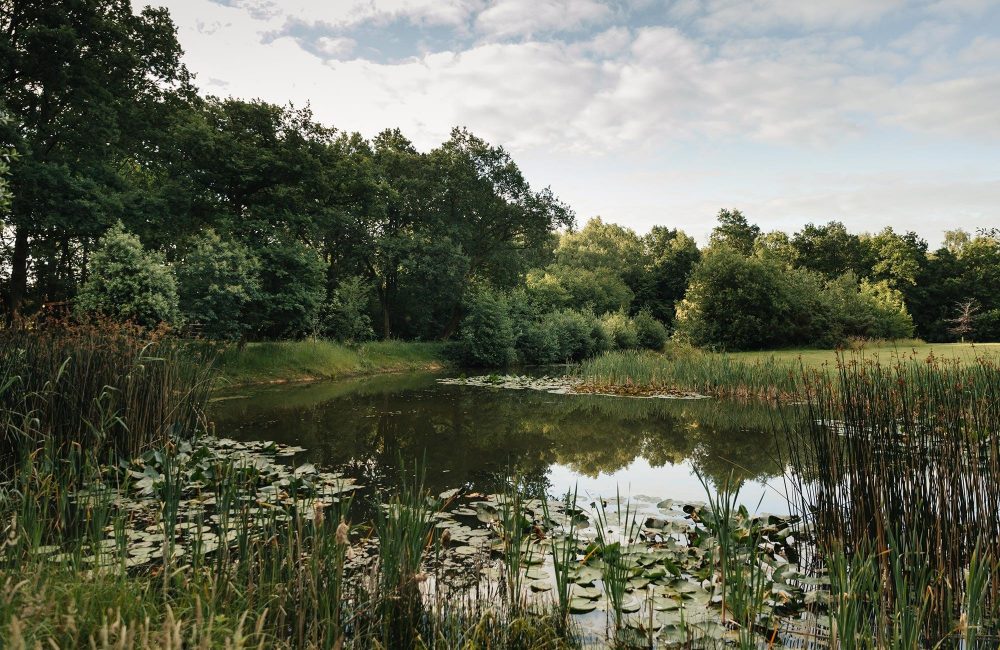
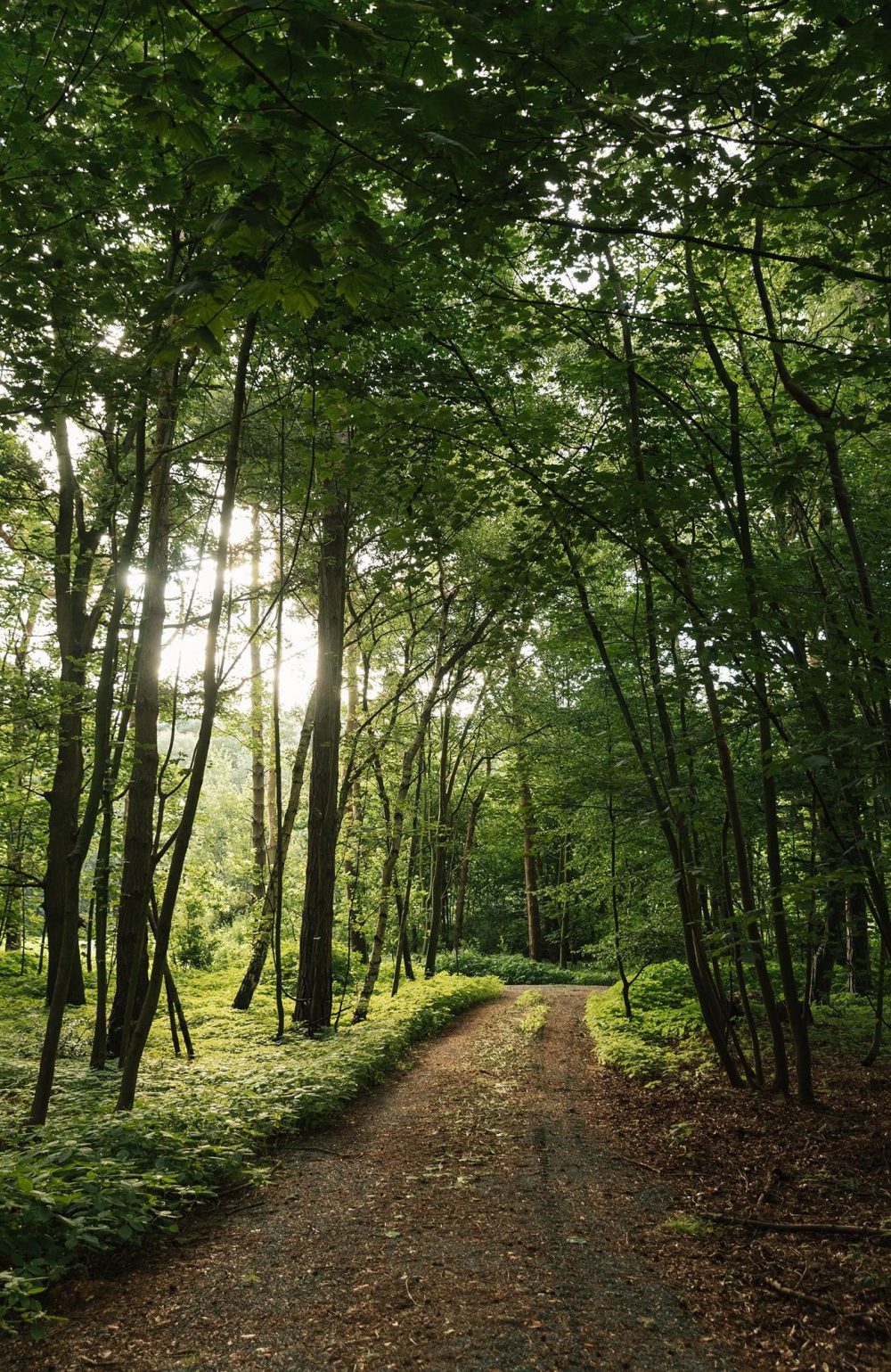
Tucked away within 35 acres of beautiful parkland, Settle presents the perfect space for settling down and switching off. We have a select collection of vintage railway carriages and a boutique bespoke cabin. Surrounded by mature trees, lake views and endless panoramas of native wildlife, Settle creates the most picturesque stay.
Using salvaged materials and fittings from our reclamation yard, Morways Reclamation, we sympathetically restored and converted the train carriages into luxurious stays with considered interiors. The deluxe cabin was designed by us specifically to sit in balance with its peaceable surroundings; built by our team using our stock of beautiful heritage resources, it's an exceptional space for a memorable stay.
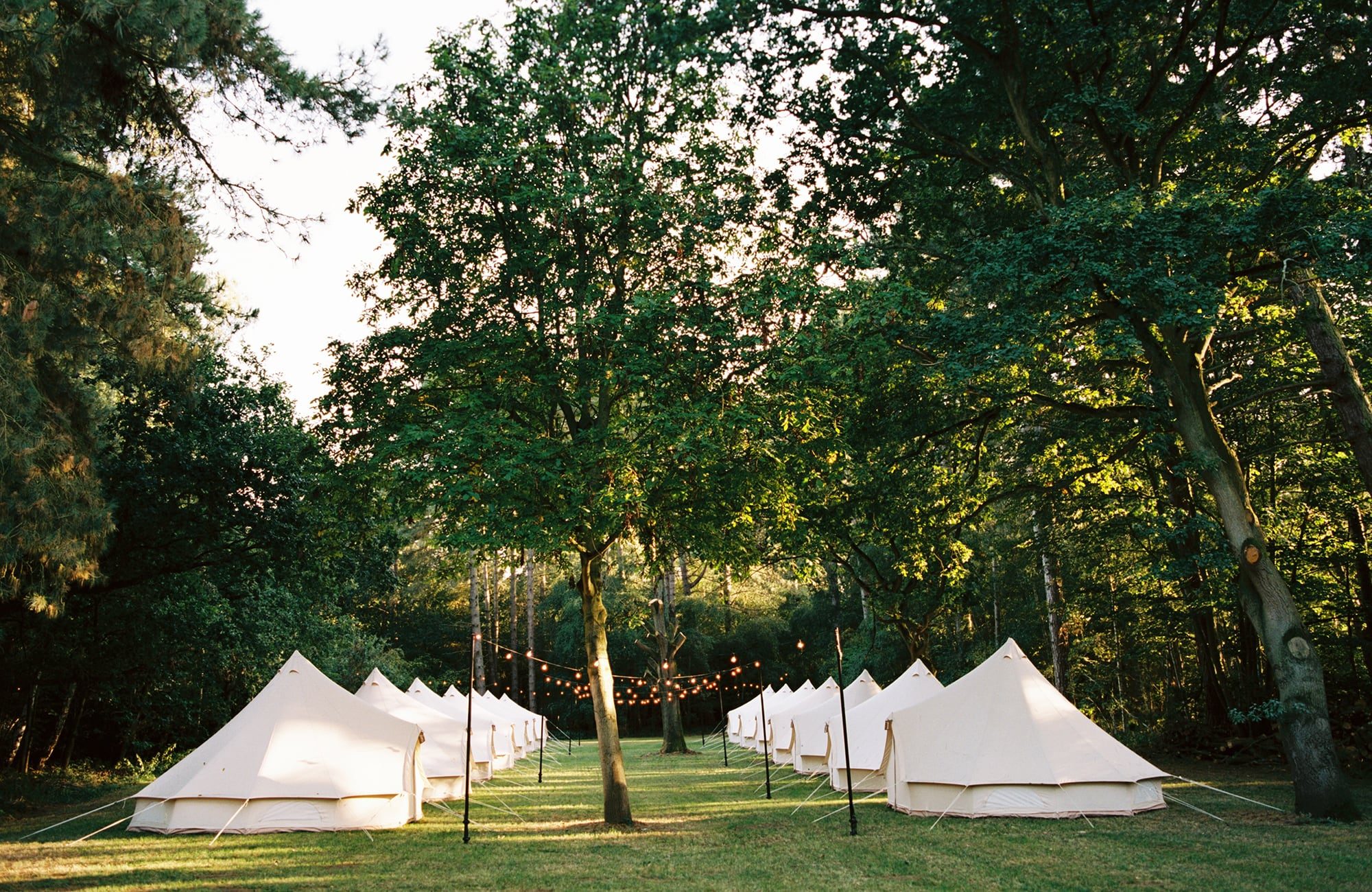
Should you wish to hire the entire site, we can accommodate up to thirteen guests. For larger groups, there is also scope for a pop-up avenue of bell tents.
About
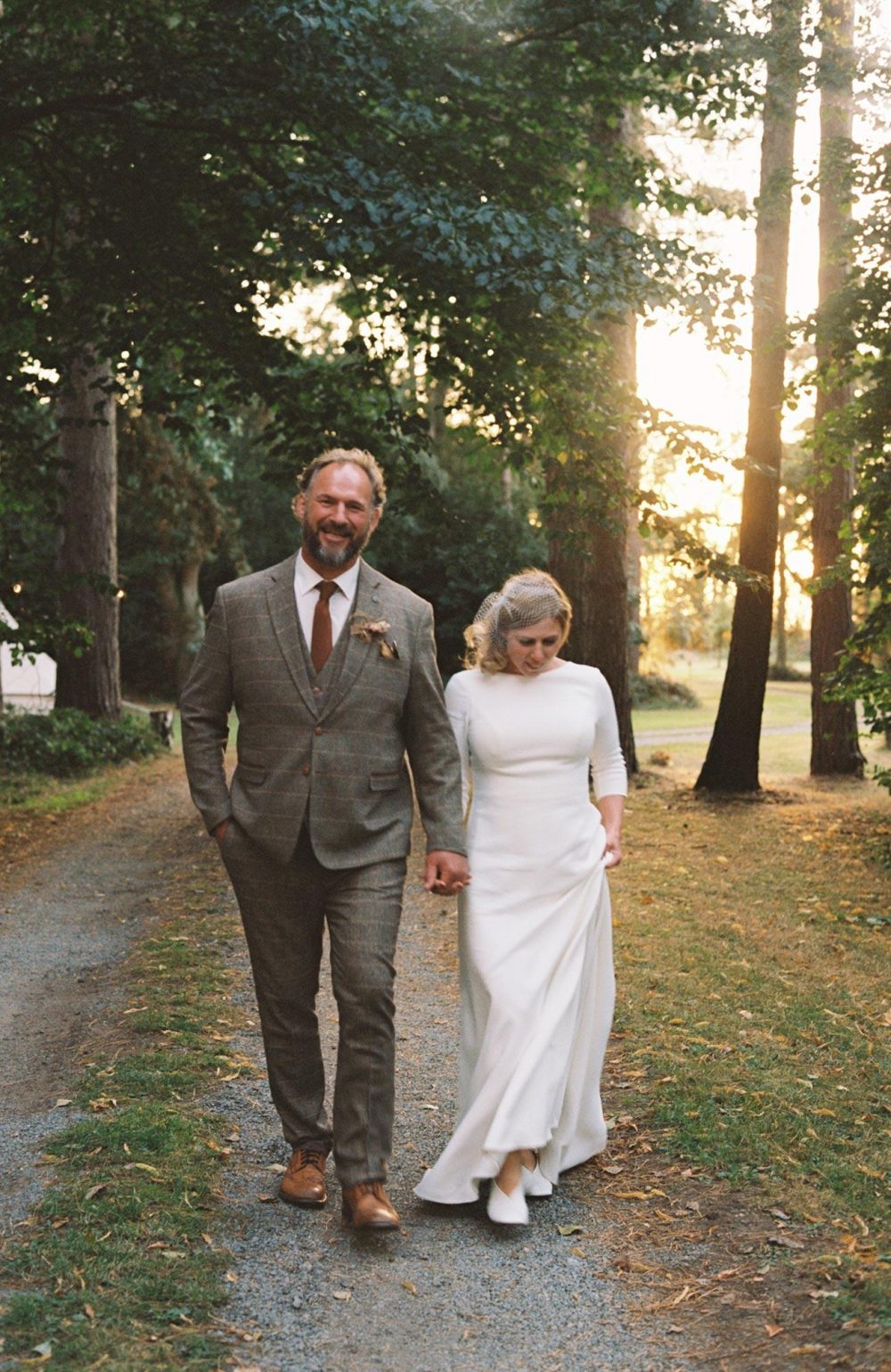
Founded by Jo & John Morfoot.
Owner of Morways Reclamation, a large reclamation yard in South Norfolk, John has a background in property development and an eye for sympathetically repurposing heritage materials. He has owned his salvage yard for over 20 years, building up a very large stock of salvaged original resources, materials and fittings.
Jo is a floral designer, a pioneer of natural floral design who is highly regarded in her field – Harper’s Bazaar named her one of their top ten florists. She runs large retreat workshops and 1:1 classes in her Norfolk studio, and travels to teach in the U.K. and overseas. Her work has been featured in various print and online publications such as Condé Nast BRIDES, Homes & Gardens, Magnolia Rouge, and Together Journal.
Jo also has a passion for interior styling; her previous home and gardens have been featured in Homes & Garden, You Magazine, and Creative Living Country (Thames & Hudson; London, 2017).
John's building expertise and salvaged resources, with Jo's love for curating considered, harmoniously natural spaces, creates Settle.
Heritage
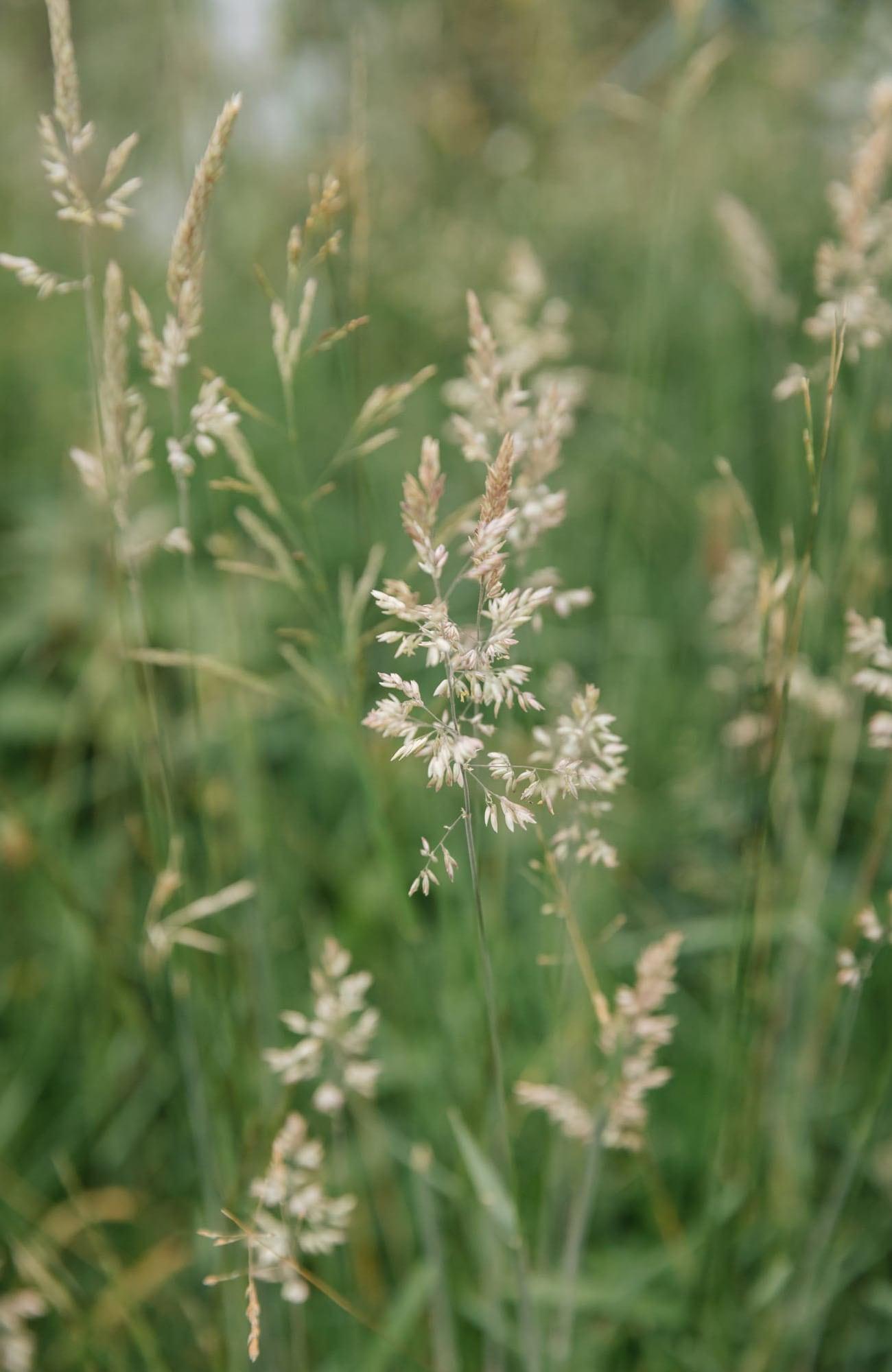
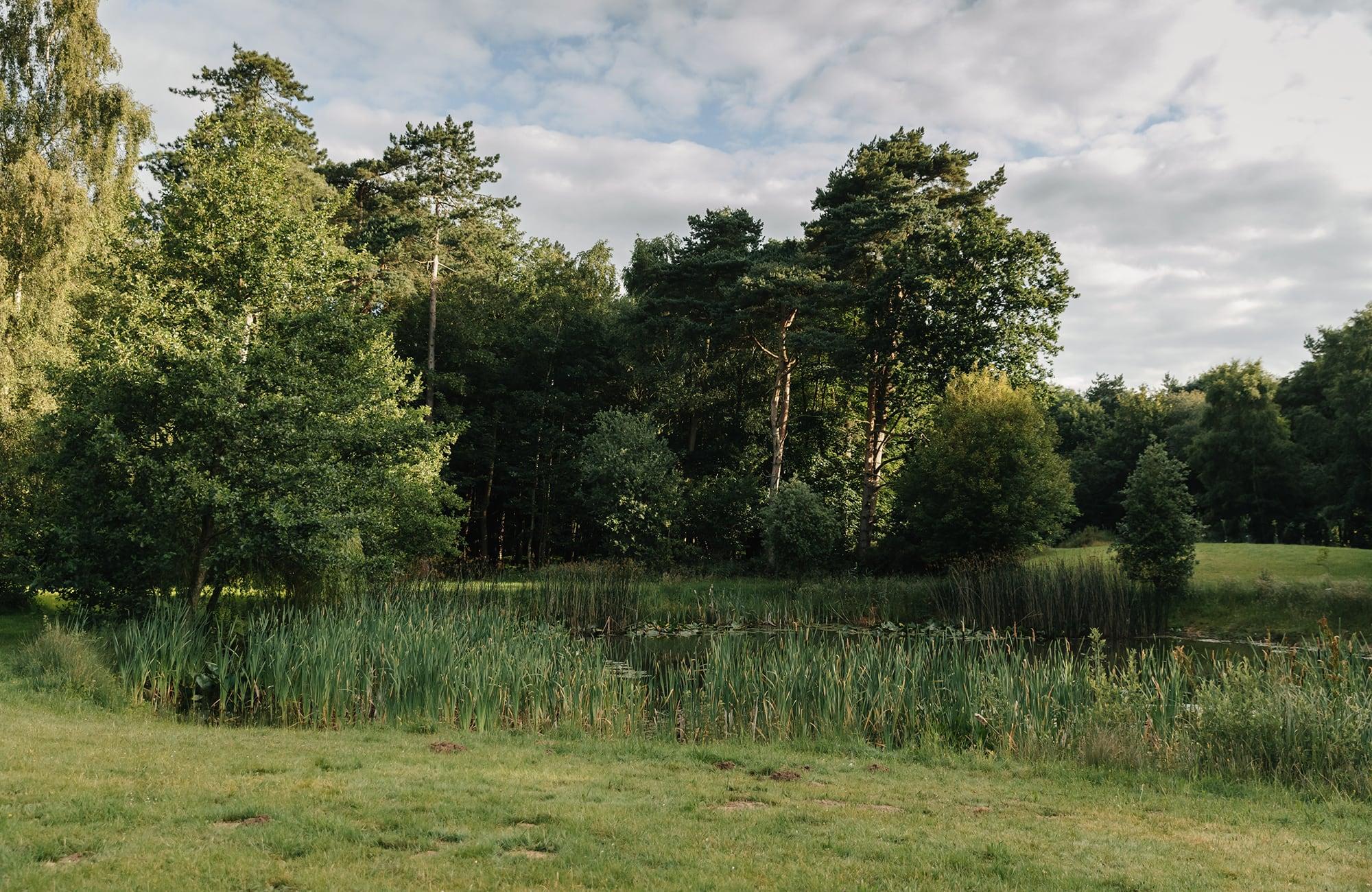
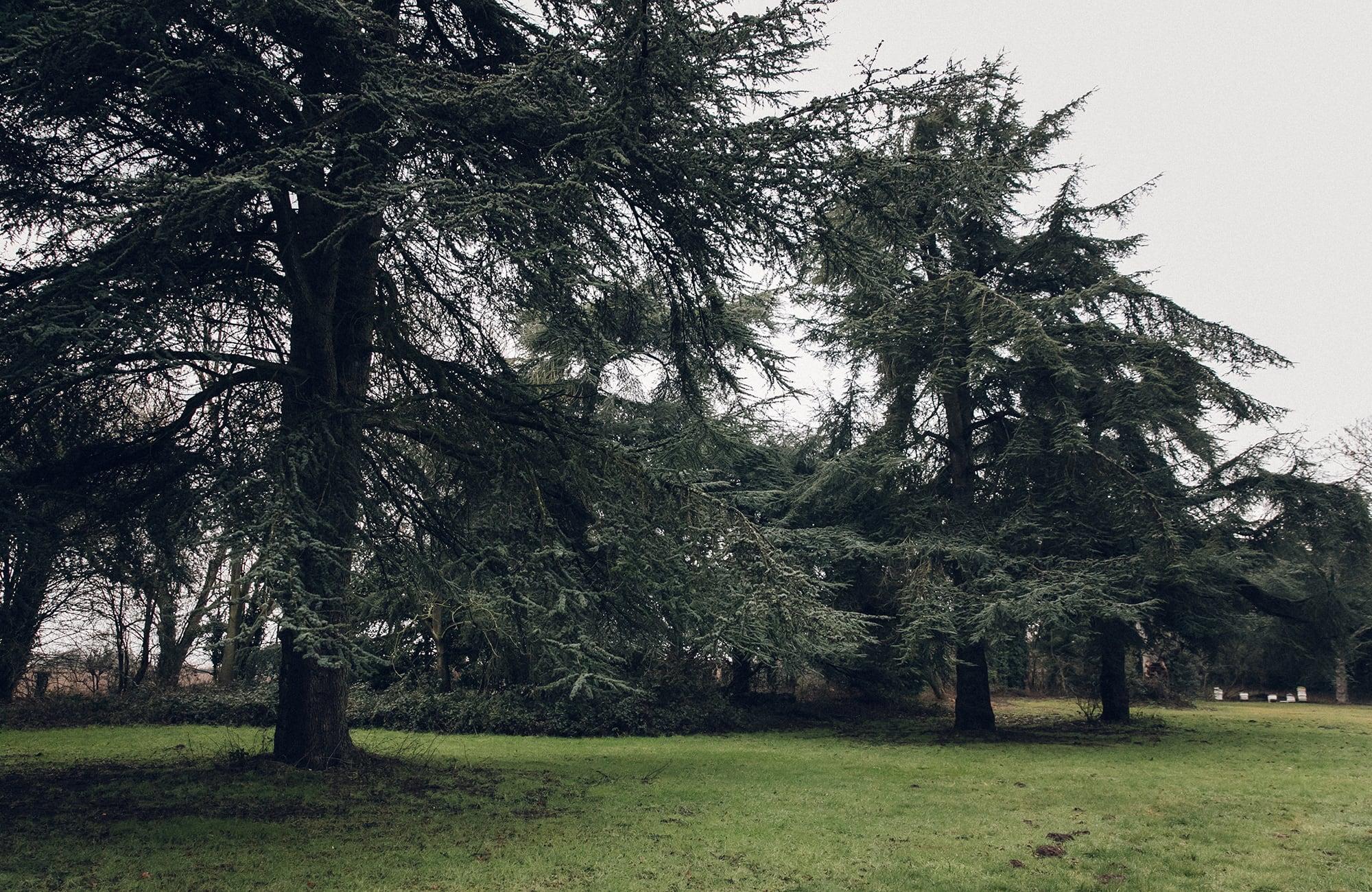
Settle’s parkland once formed part of neighbouring Shropham Hall’s estate. The largest lake dates from at least the 17th century, while the two smaller lakes were dug in the 1970s by owner John and his father. Working sensitively with the land, they planted hundreds of trees in some fifty species. Natives such as Hornbeam, Elder, Crab Apple and Black Poplar shoulder with Cedar of Lebanon, Japanese Oak and giant Sequoia – a full list of the recorded species’ common names is below. The addition of thousands of naturalised flowering bulbs helped create the tranquil haven for pollinators and wildlife that is today’s Pond Meadow.
This parcel of land has long held an association with people and settlement. In medieval days Pond Meadow was probably the small village of Breccles Parva, now one of the lost villages of Norfolk. The name Breckles is thought to come from ‘Brec a laes’, meaning ‘the meadow by newly cleared land’. Together with its sister villages Breccles Magna and Stow Breccles, Breccles Parva’s site reveals evidence of a medieval moated farmstead, village earthworks, and even a possible Anglo-Saxon community. The glimpse of half-buried flints in surrounding farmland suggests the subtle presence of this land’s history. Today Pond Meadow is managed with considered care, informed by an engaged awareness for its existing terroir.
RECORDED SPECIES OF TREES AT SETTLE | POND MEADOW
Acacia ~ Alder ~ Ash ~ ~ Blue Cedar ~ Black Poplar ~ Cedar of Lebanon ~ Copper Beech ~ Corsican Pine ~ Cypress ~ Douglas Fir ~ Elder ~ Elm ~ English Oak ~ Evergreen Oak ~ Ginkgo ~ Green Beech ~ Hawthorn ~ Hazel ~ Hornbeam ~ Horse Chestnut ~ Holly ~ Japanese Oak ~ Larch ~ Laurel ~ Lime ~ Lombardy Poplar ~ Magnolia ~ Maple ~ Mountain Ash ~ Mulberry ~ Norway Spruce ~ Plane ~ Poplar ~ Red Maple ~ Redwood ~ Scots Pine ~ Sequioa, Giant ~ Silver Birch ~ Sweet Chestnut ~ Sycamore ~ Tulip ~ Turkey Oak ~ Variegated Holly ~ Variegated Maple ~ Walnut ~ Weeping Beech ~ Weeping Crab Apple ~ Weeping Willow ~ Willow
Gallery